
Preparing for study start: Inside ComBac-Africa’s Site Initiation Visits
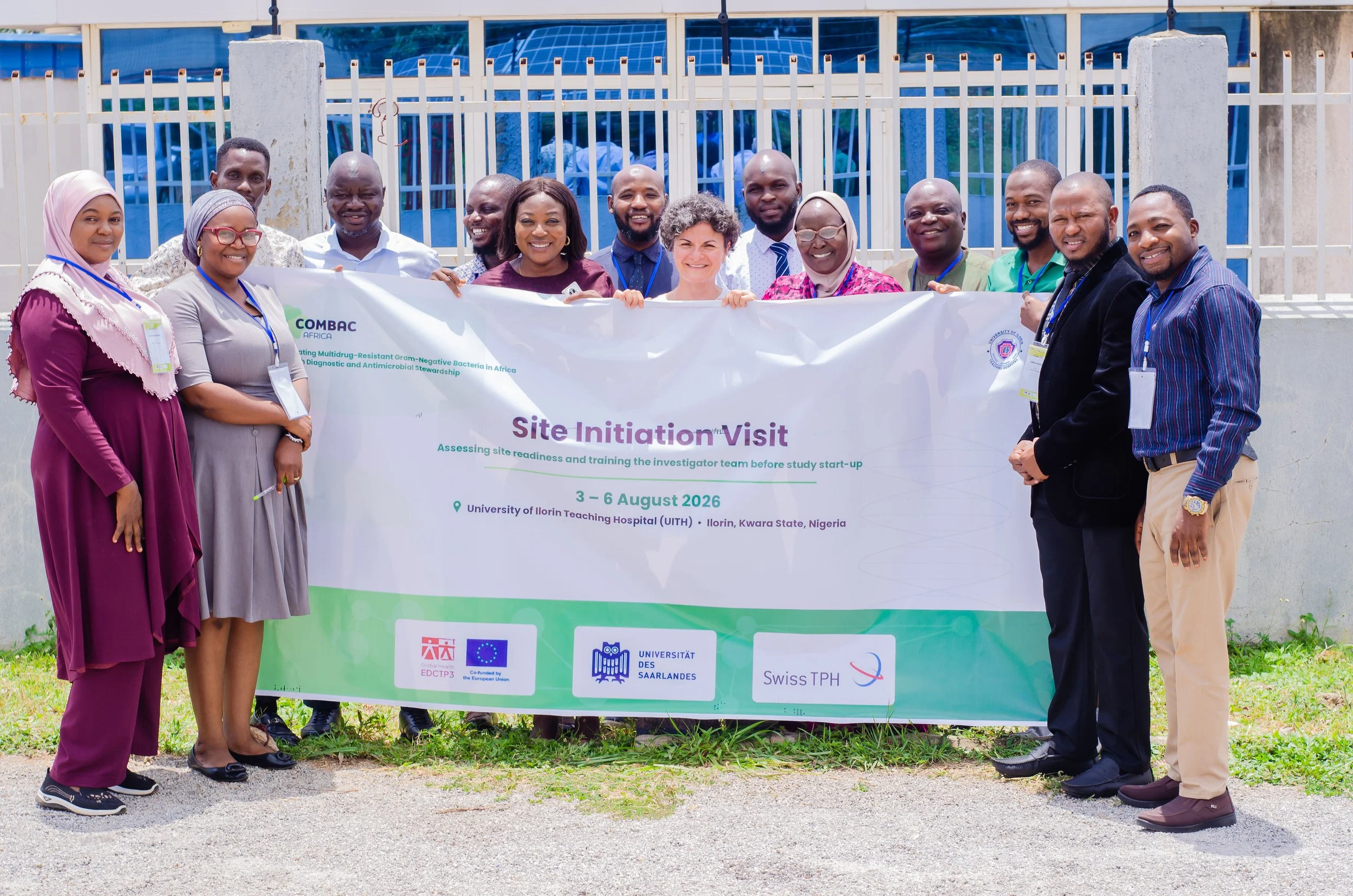
After months of developing a study protocol and aligning procedures across countries and institutions, ComBac-Africa has reached an important project milestone: with the Site Initiation Visits (SIVs), the consortium is now laying the final groundwork for carrying out its 2-stage clinical study. Led by the Centre for Malaria and other Tropical Disease Care (CEMTROD), Stage 1 of the study (Work Package 3) will examine antibiotic use in participating hospitals and analyse patient samples to better understand patterns of antimicrobial resistance.
Before the study can officially start and the first participants can be enrolled, however, its procedures need to work not only on paper, but also in the everyday reality of the participating hospitals and laboratories (Work Package 2). This is where the SIVs come in: coordinated by the Swiss Tropical and Public Health Institute (Swiss TPH), the University of Saarland (USAAR) and the Institut Pasteur de Côte d’Ivoire among others, the visits are a crucial step in ensuring the readiness of each site to conduct the study safely, consistently and according to the Ethics Committee-approved protocol.
Across the three partner countries – Guinea-Bissau, Côte d’Ivoire and Nigeria – the consortium is now completing this preparation phase, bringing clinical and laboratory teams together to test how the study will work in practice.
Implementing the study protocol
But what happens during a Site Initiation Visit? Dr Valentina Butoescu recently travelled to several of the participating sites in Guinea-Bissau and Nigeria in her role as a clinical research manager and Monitoring Responsible for the ComBac-Africa study at Swiss TPH. She explains: “We visit the different hospital departments and laboratories to ensure that they have what they need to carry out the study, from the right equipment and materials to clearly defined procedures and properly trained staff who is aware of the requirements for clinical research involving human participants.”
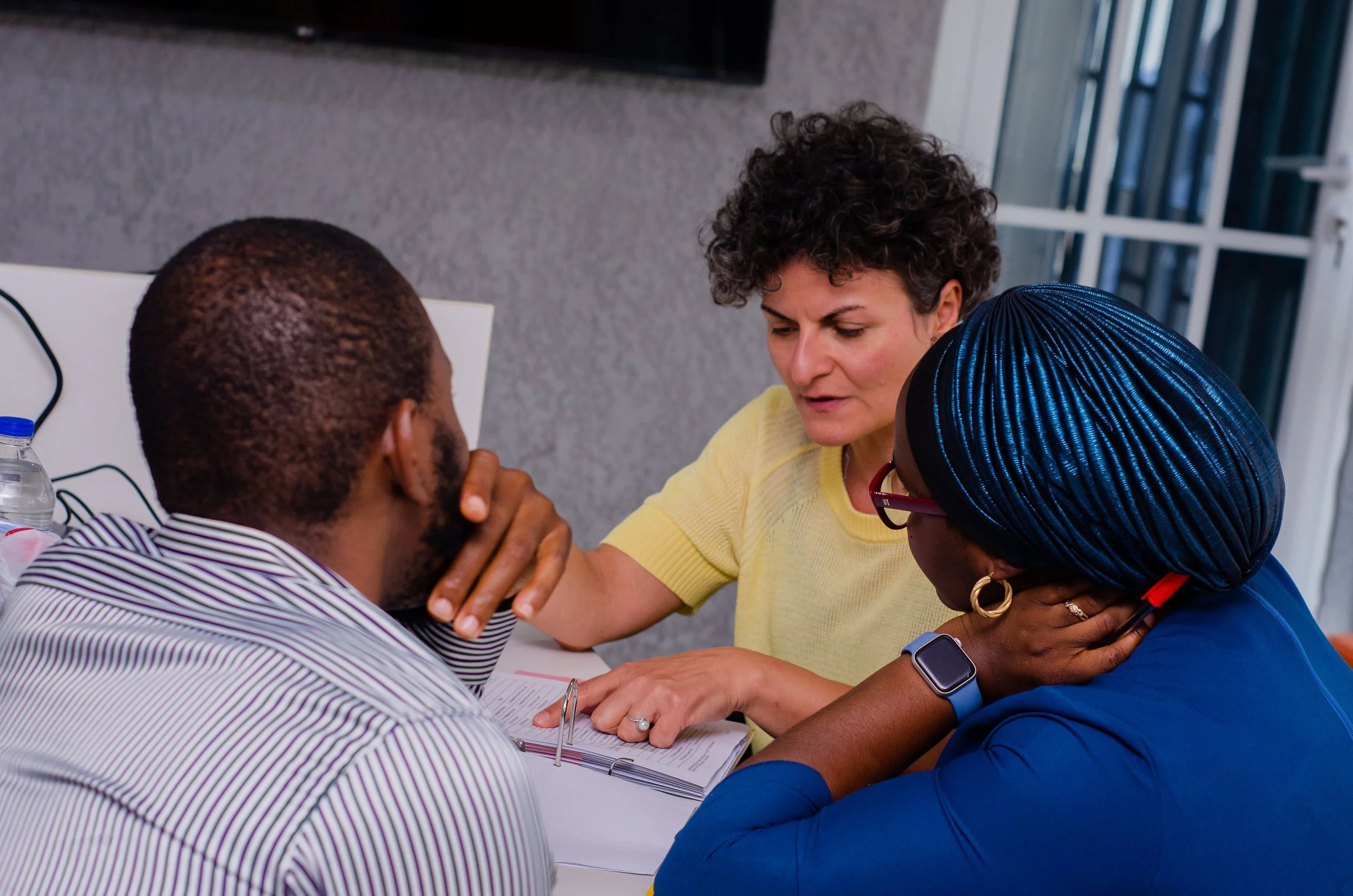
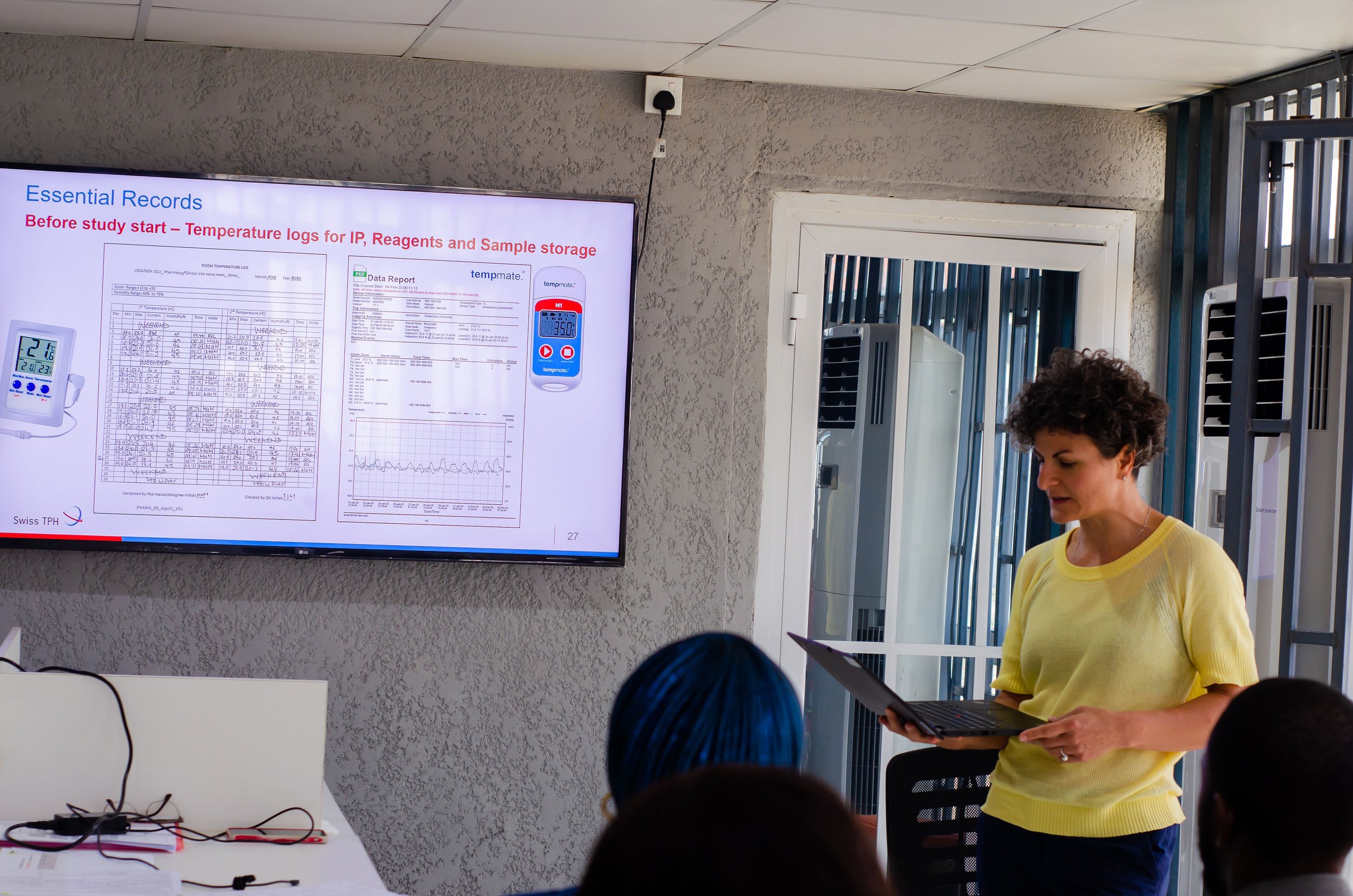
Valentina during a training session at the the University of Ilorin Teaching Hospital (UITH) in Nigeria.
The cornerstone of this preparation process is the study protocol. Its first draft was developed by the team at USAAR and subsequently reviewed by partners across the consortium. As Valentina puts it, the protocol is the main document that tells the staff, “how the study is to be conducted – for example, how the participants should be treated, how the data is to be collected or how the laboratory procedures need to be carried out.”
Making sure the protocol is properly translated into practice is one of the central challenges of preparing a clinical study, as Valentina explains: “It’s taking a team from a hospital with their daily routine activities and putting them into the very regulated and specific environment of a clinical study, with all its additional requirements”.
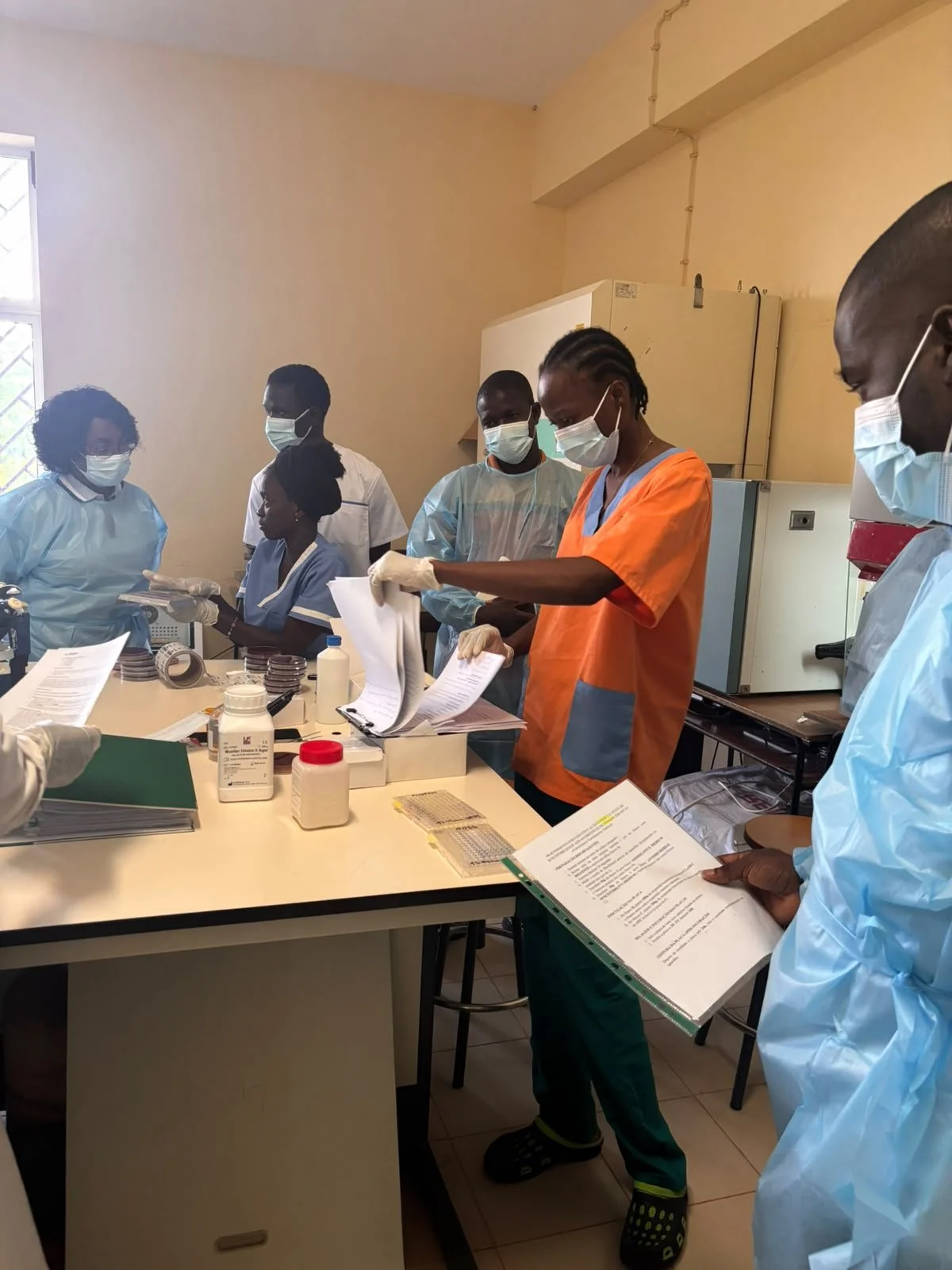
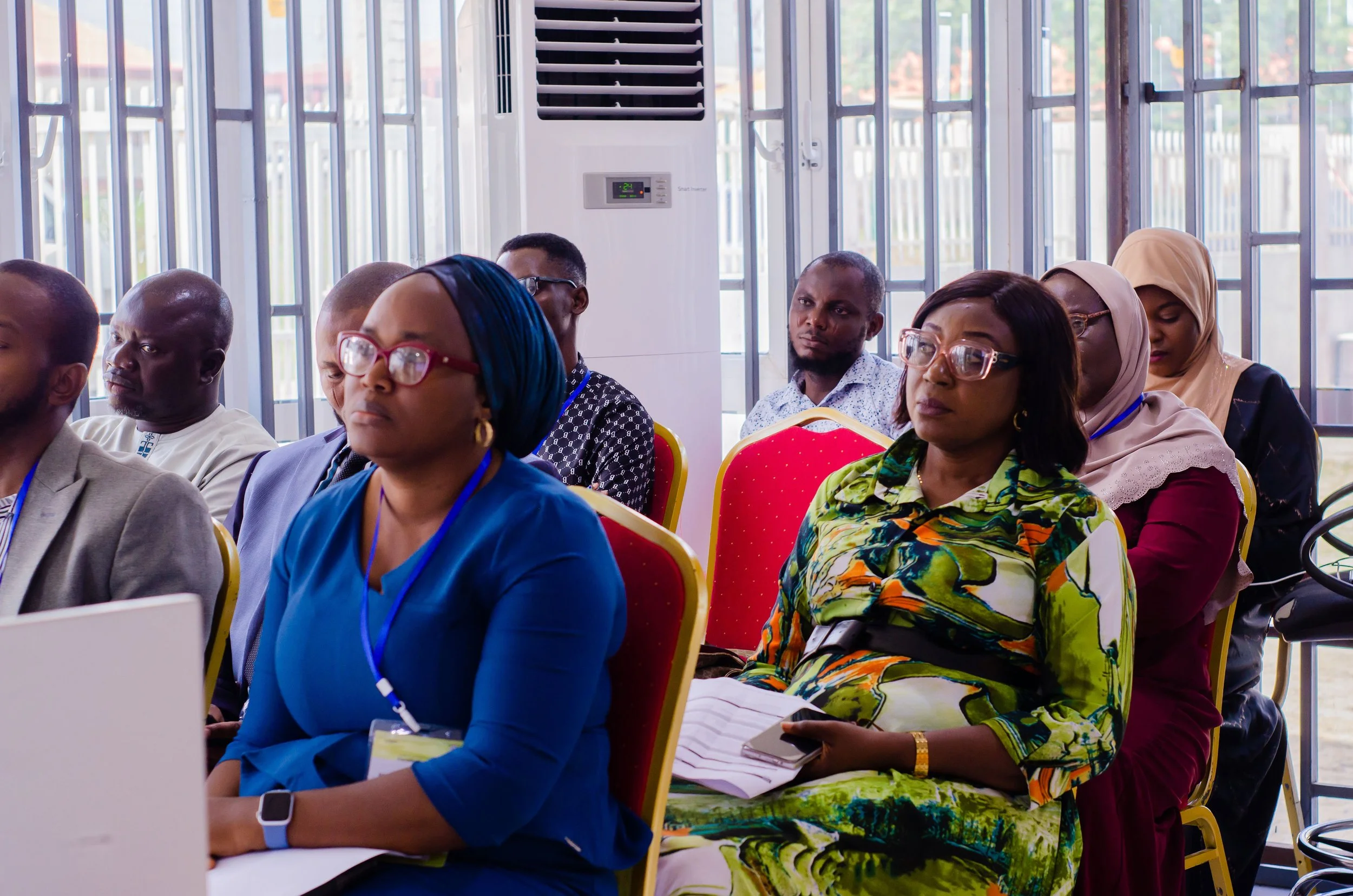
Accordingly, the work of the teams involved in supporting the sites getting ready for study initiation goes far beyond ticking checklist boxes. Led by Swiss TPH and local partners such as the Institut Pasteur de Côte d’Ivoire, the teams examine the hospital departments where potential participants will be identified, visit laboratories and pharmacies, review existing workflows on the ground and organise training sessions for the staff at the sites. In those sessions, Valentina and her team cover a wide range of topics, from Good Clinical Practice and the consenting process to pharmacovigilance and requirements for proper study documentation.
What does it mean for a site to be ready?
Dr Bashirat Ayobola Olanipekun, WP3 lead and Coordinating Investigator at CEMTROD, was closely involved in preparing and coordinating the SIV at the University of Ilorin Teaching Hospital (UITH). She too paid particular attention to the preparedness of the site personnel. “Staff should be trained on participant recruitment and informed consent, study procedures, safety reporting, data collection, laboratory processes, and relevant SOPs,” she explains.
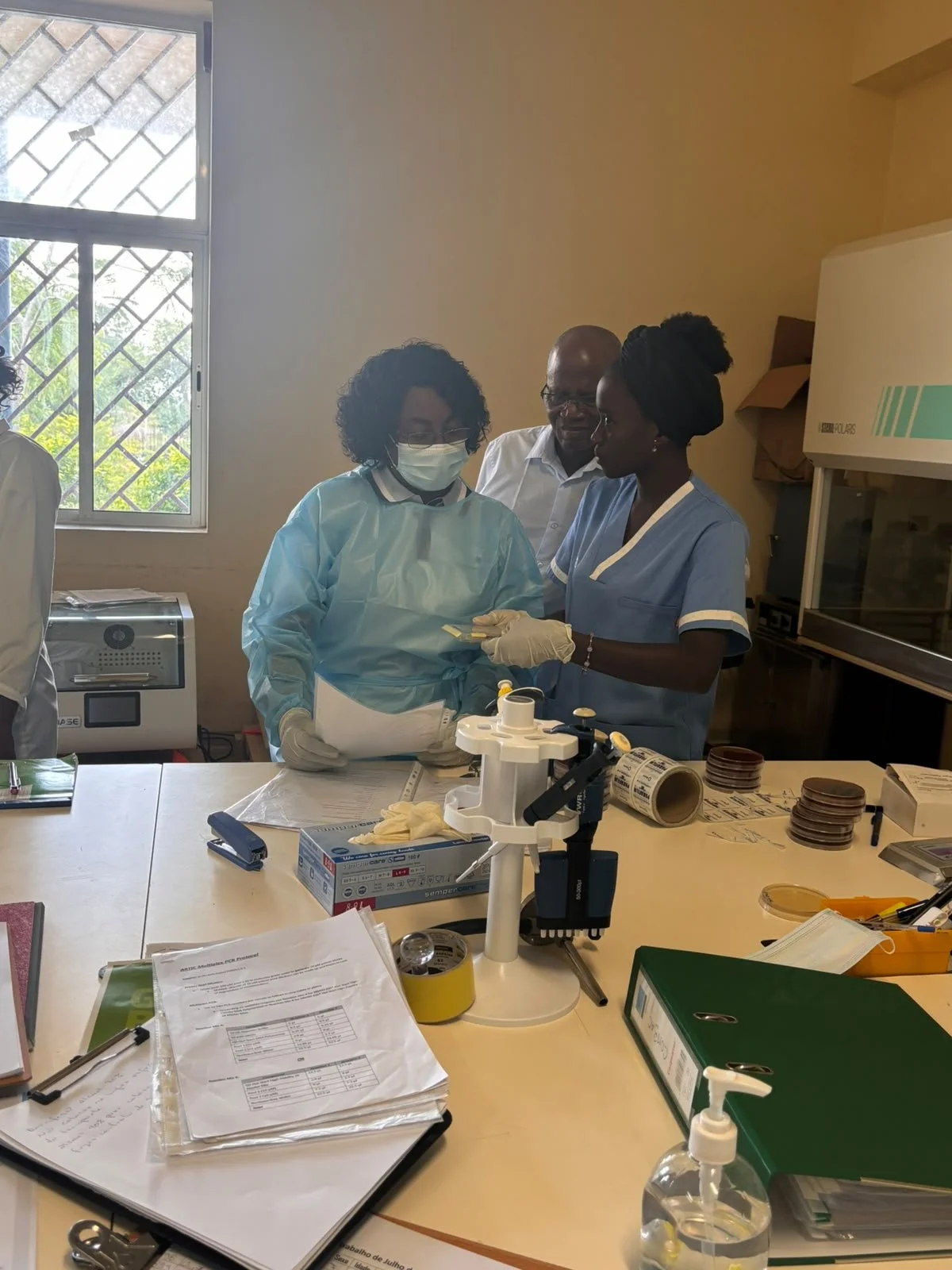
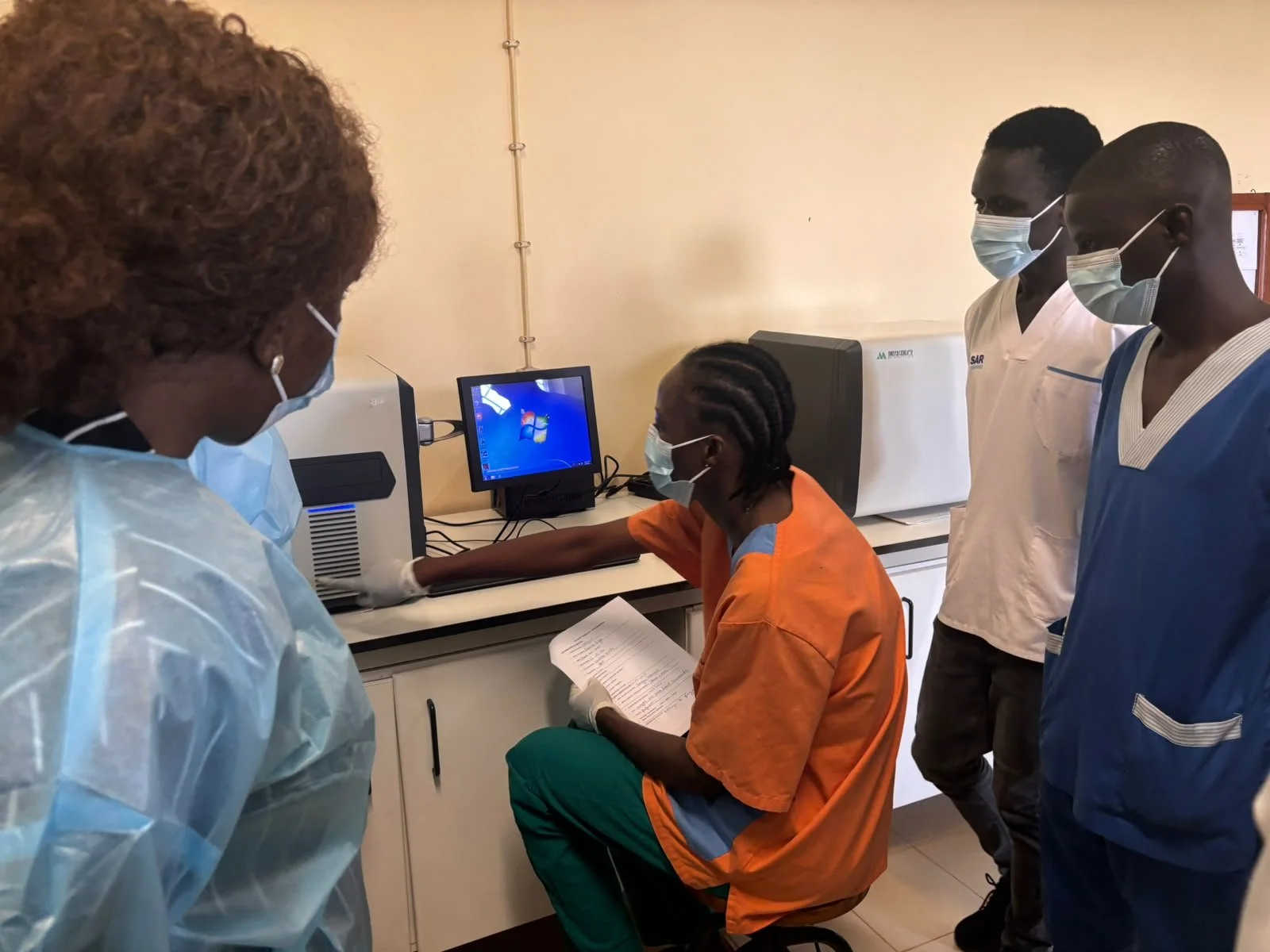
Just as important, however, is the operational infrastructure. This includes for example checking if all the required equipment, reagents, consumables, sample-processing procedures, biosafety measures, and appropriate storage facilities are available and functional. Considering the sheer complexity of all these different factors, Bashirat approaches the visits from a holistic perspective: “For me, site readiness means more than having the infrastructure available. It means that the people, processes, laboratory systems, documentation, and regulatory requirements are all aligned and functioning together.”



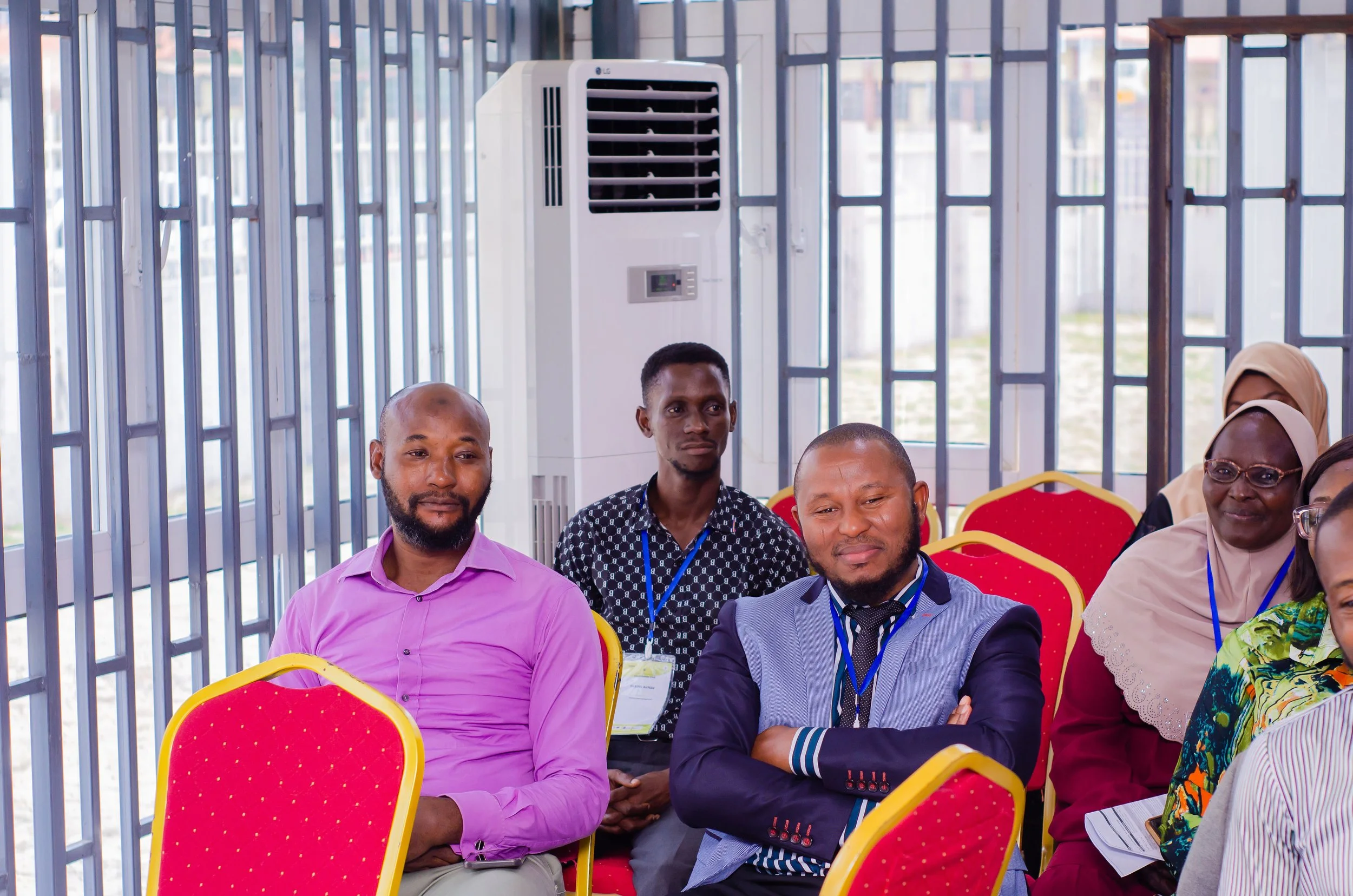
This is particularly important because the study involves a chain of closely connected activities: eligible patients need to be identified and appropriately consented, clinical information documented, samples collected, transported and processed correctly, and laboratory results linked back to the corresponding clinical data. “A weakness at any point in this chain,” says Bashirat, “can affect the quality and reliability of the final study data.” Making sure that these individual steps connect smoothly is therefore one of the main purposes of the SIVs.
One study, different realities
This becomes even more important in a study spanning several hospitals and countries. ComBac-Africa needs procedures to be sufficiently standardised for the resulting data to be reliable and comparable. At the same time, participating hospitals often differ in how their teams are organised and how processes like documentation are carried out.
One area where this becomes particularly relevant is data collection, as Valentina explains: “The basic principle is more or less the same across all sites, but obviously the reality in the field is always somewhat different. The key question is: are all the sites collecting the same data, and are they collecting it in the same way?” While the sites visited so far already had good existing records, the teams discussed how to capture additional information required by the study protocol and document it consistently across sites. The example of data collection shows how the SIVs provide an opportunity to work through differences together with the local teams and find solutions that meet the study requirements while fitting the realities of each site.
Sometimes, this clarification process also means discussing details that may initially sound minor. One example raised at several sites was the allocation of participant identification numbers. To protect participants’ identities, study data and samples are linked to unique codes instead of patients’ names. But if several clinicians can enrol patients, the team needs a clear process for deciding who assigns the next number and ensuring that each number is used only once. At the Ilorin site, the team quickly established who could take on this responsibility. In Bissau, the exact process required further discussion. It is precisely these kinds of practical questions that can determine whether a procedure works smoothly once recruitment begins.
From discussion to collaboration
But not every question can be anticipated during protocol development. Accordingly, creating a space for discussions, clarifying responsibilities and working through challenges together is one of the main benefits of the SIVs, as Bashirat highlights: “Some questions and practical issues that might not have been obvious from reviewing documents remotely became clearer when the teams discussed how the protocol would work within their actual clinical and laboratory workflows.”
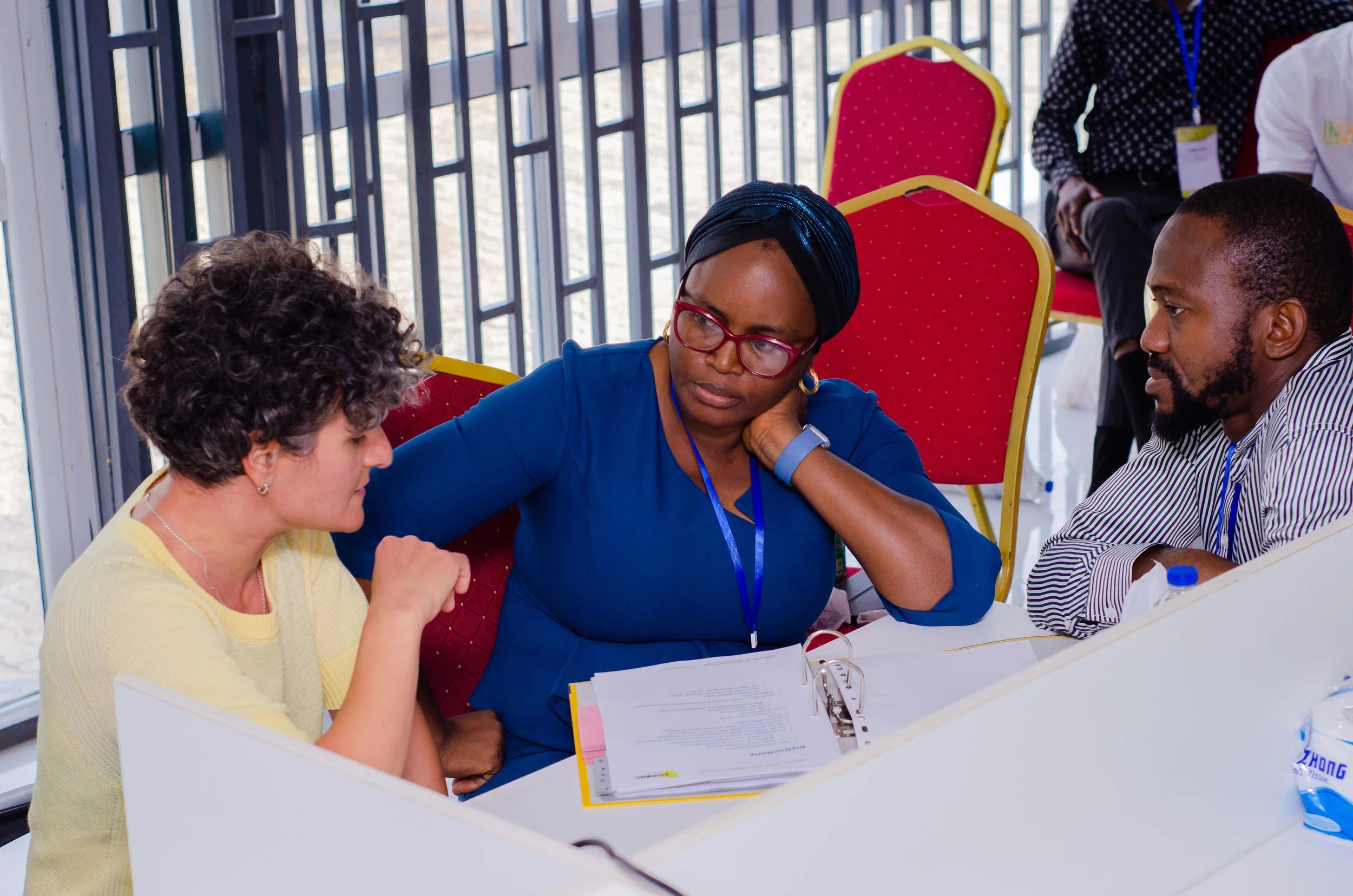
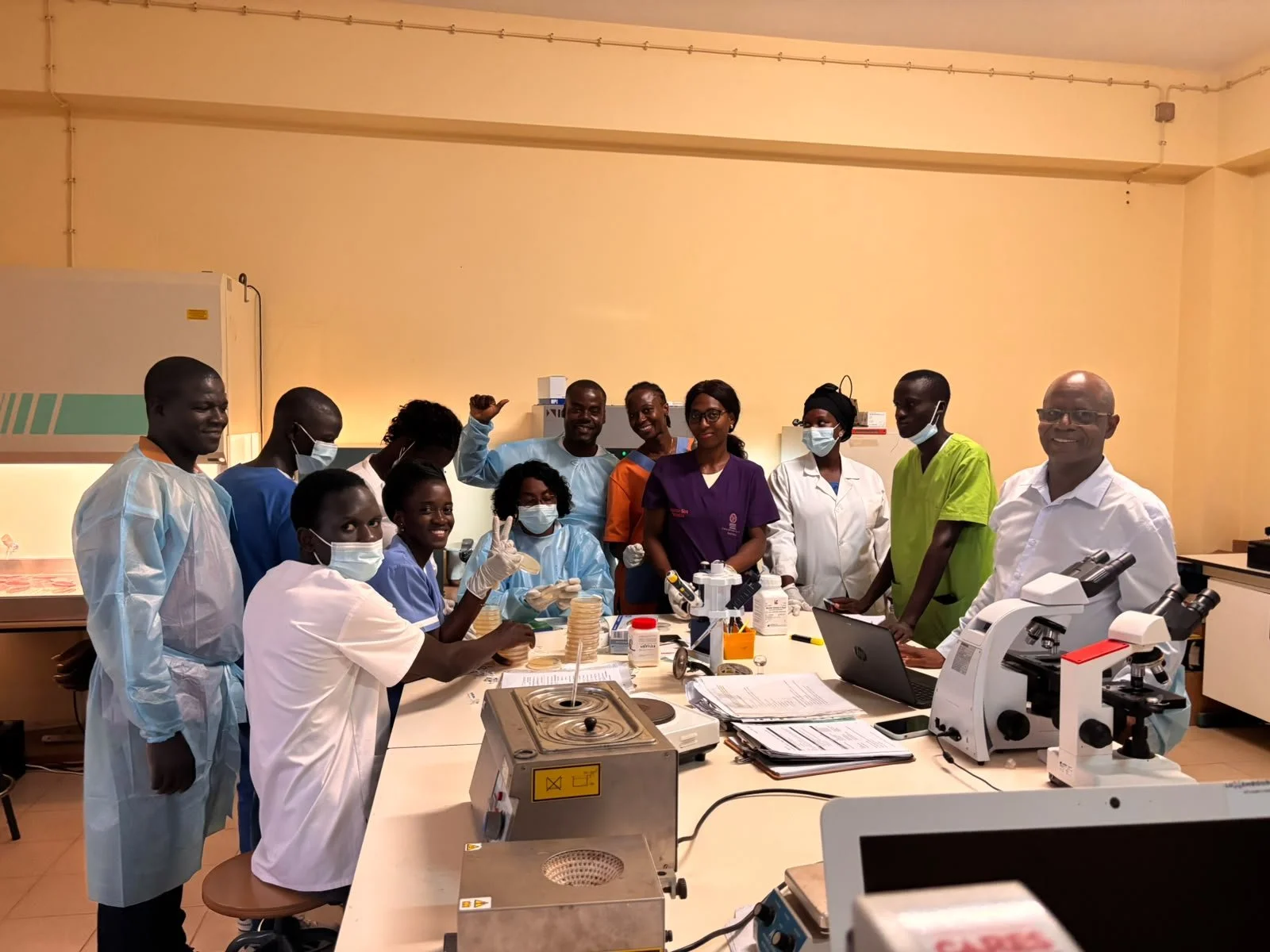
Apart from the examination of infrastructure, training sessions and the review of current workflows, the SIVs also provided a good opportunity for practical discussions and exchange among the staff teams.
Ultimately, such discussions also help build the kind of collaboration that will be essential once the study is underway. Both Bashirat and Valentina noted how actively the site teams engaged during the visits, asking questions, discussing practical scenarios and thinking through how study procedures could be integrated into their daily work. For Bashirat, this collaborative spirit is a key strength: “In a complex multicountry study, challenges are inevitable, but what is important is having a team that communicates openly and works together to find solutions.”
Looking ahead
It is this mindset that will make a real difference during implementation. By raising uncertainties early and working through them together, clinical and laboratory teams can identify potential problems before recruitment starts and develop a shared understanding of how the study should be conducted. The SIVs therefore help create not only operational readiness, but also the working relationships needed to respond when new questions arise.
With the visits now nearing completion across Guinea-Bissau, Côte d’Ivoire and Nigeria, ComBac-Africa has reached a crucial step on the road towards study start. But, as Bashirat stresses, the process does not stop here: “The SIV should not be viewed as the end of preparation, but as an important milestone from which we continue to support the sites as they move towards study initiation.” With the remaining preparations now being finalised, the consortium is getting ready for the next major step: enrolling the first study participants.